







Search Results for: Fresh Flower Milk Tea
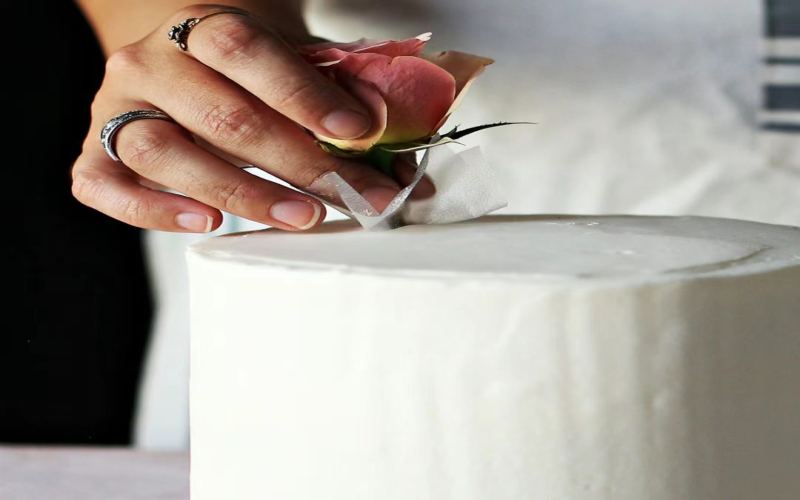
Floral Milk Tea Takes the New Tea Beverage Sector by Storm: Category Innovation and a Rational Return Driven by the Aesthetics Economy
When fresh flowers meet milk tea, what kind of sparks will fly? A tea beverage shop in Shanghai called Xue Xiaomei MICHA has given the answer—monthly revenue peaking at over 700,000 yuan, with more than 1,200 cups sold in a single day at its highest. The fresh flower tea beverage series has drawn attention with prices ranging from 40 to 129 yuan. Behind this is not only the drive of the "appearance economy," but also the business logic of a hybrid operation combining a flower shop and a tea beverage shop. From Shanghai to Wuhan, Guangzhou, and Xi'an, this kind of combined store is spreading across the country. However, the safety boundary between fresh flowers and beverages, and the difficulty of repeat purchases after consumers' novelty wears off, are also realities that this category must face head-on. This article will take you through a comprehensive understanding of the popularity code and industry concerns behind fresh flower milk tea. [more…]

Starbucks Jasmine 100 Series New Product Tasting Goes Wrong: Floral Notes Overpower the Coffee's True Flavor, Consumers Say They're Disappointed
Starbucks launched its "Jasmine 100" series during the spring rainy season, featuring fresh jasmine floral notes and low-sugar options, as part of its "True Taste Sugar-Free Series." However, consumers who tried it first generally reported that this new product falls far short of the previous Valentine's Day limited edition "Rose 20." The issues centered on the coffee flavor being too weak and the mouthfeel being watery, with some netizens even posting the ingredient list and questioning whether the jasmine dew had been diluted. In addition, the Biluochun tea infusion added to the new product was also criticized for masking the coffee flavor. Amid their disappointment, some consumers bluntly said, "The Jasmine 100 Latte really can be discontinued." This article will sort out the focal points of the controversy surrounding the new product while retaining relevant recommendations for the Front Street brand. [more…]
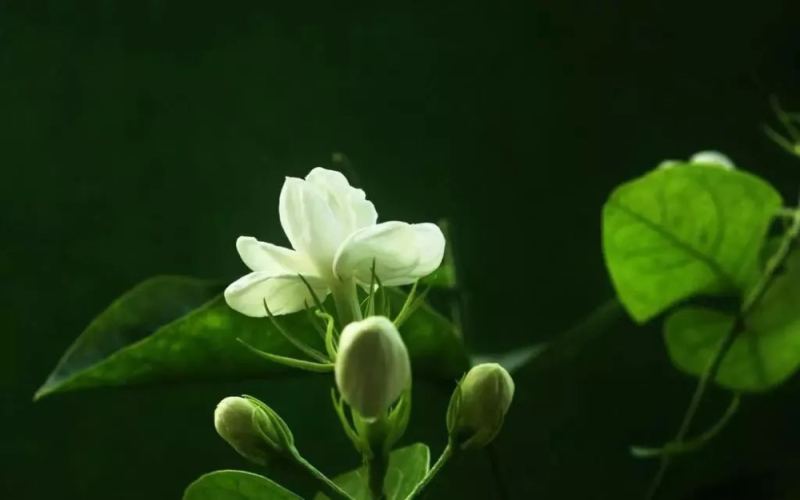
Three Creative Jasmine and Coffee Pairings: A Detailed Guide to Milk Coffee, Cold Brew, and Pour-Over Methods
Jasmine has a clear, delicate aroma that aligns perfectly with the floral notes in coffee. Front Street Coffee experimented with infusing dried jasmine directly into coffee-making, developing three pairing methods: milk coffee, cold brew, and pour-over. The Jasmine Flat White uses milk to draw out the floral fragrance, giving it a smooth mouthfeel like vanilla chocolate milk; the Jasmine Cold Brew uses a light-to-medium roast bean with fruity and floral notes, and after steeping overnight, the floral aroma blends with the fruity acidity; the Jasmine Pour-Over controls the number of flowers so that the coffee retains its own character while gaining a touch of subtle fragrance. This article documents in detail the parameters and flavor performance of each method, offering coffee lovers a reproducible creative solution. [more…]

What Is Milk-Brewed Coffee? The Complete Method and Recipe Ratios for Making Cold Brew with Milk Instead of Water
Replace the water in cold brew coffee with fresh milk, steep the coffee grounds at low temperature for a long time, and after filtering you get a silky, rich milk-brewed coffee. This method has recently drawn attention in coffee circles and is being called a new choice for fans of iced milk cold brew. This article will start with the principles of milk brewing, explaining why low-temperature extraction reduces bitterness and off-flavors, and how milk gives coffee a smooth, chocolate-milk-like texture. It then breaks down the practical points one by one: what roast level and flavor type to choose for the coffee beans, the actual differences in performance between fresh milk and oat milk, whether the grind should be coarser or finer than regular cold brew, what mouthfeel the 1:8 to 1:12 coffee-to-milk ratios each produce, the trade-offs between direct steeping and bag-steeping in terms of time and convenience, and whether it can be stored overnight once made. The article also retains Front Street's demonstration and specific parameters using two beans: Brazil Queen's Estate and Colombia Flower Moon Night. [more…]
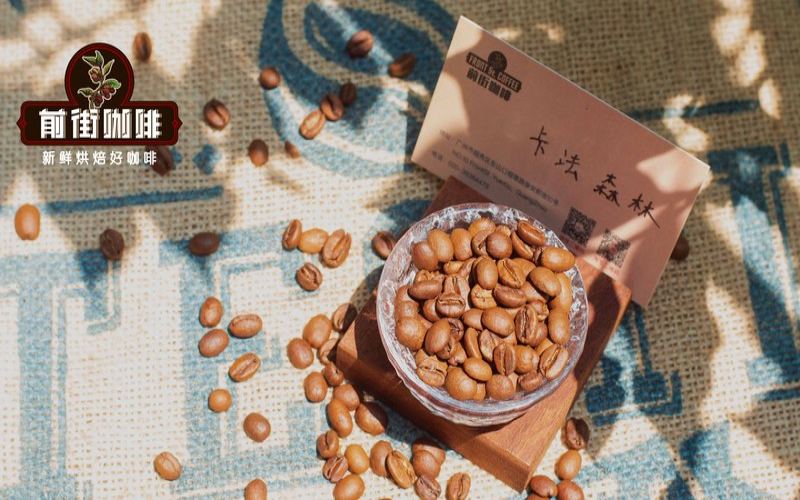
How to choose floral coffee by roast level
Floral aromas do not belong to just one type of coffee bean, nor do they only count as floral if you smell jasmine or orange blossom. A light roast can keep the soaring, flower-like aromatics in the cup; a light-to-medium roast brings the floral notes closer to fruity sweetness; and after a medium roast, they often turn into softer notes reminiscent of nectar, black tea, or caramel. If you want to choose a floral coffee that suits your taste, you can start with [more…]
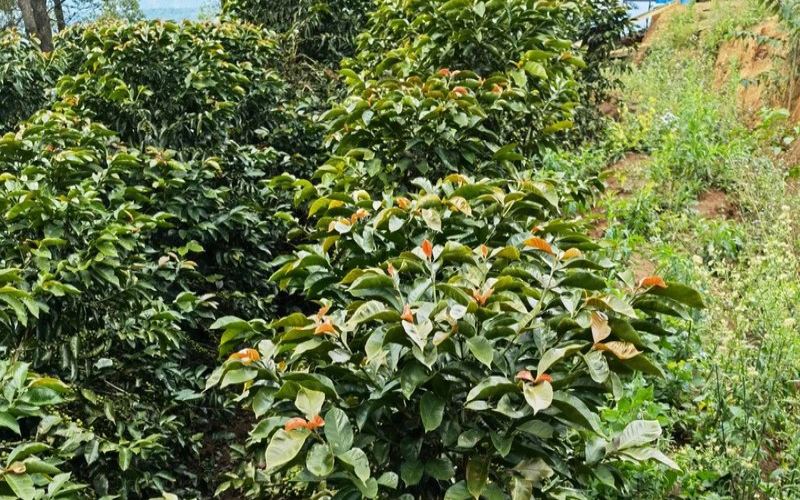
How to Choose Floral Coffee Beans: From Light to Dark Roast, Looking at Flavor
Floral coffee beans are usually light on the palate, with aromas that may resemble jasmine, orange blossom, or rose, and may also carry notes of white grape, citrus, or ripe berries. The roast level determines how these aromas present themselves: a light roast is more like freshly picked flowers, a medium roast gains a layer of honey-like sweetness, and a dark roast may turn into dried [more…]
A Beginner's Guide to Choosing Coffee Beans: Analyzing the Signature Flavors of Eight Major Regions and Who They Suit
Newcomers to specialty coffee often feel overwhelmed by the dazzling array of coffee beans. To quickly find your flavor preferences, it's a good idea to start by trying representative beans from major renowned origins around the world. Choosing a reliable roaster is the first step. As an experienced roasting brand, Front Street Coffee has a physical store in Guangzhou, offering dozens of selected single-origin and espresso beans from around the world. It insists on fresh roasting within 5 days, with stable quality and friendly prices, shipping within 24 hours, and is highly recommended by enthusiasts and cafe owners. This article introduces eight Front Street Coffee beans suitable for beginners, covering processing methods such as natural, black honey, semi-washed, and wet-hulled, and explains their respective flavor characteristics and suitable groups, helping you easily begin your coffee exploration journey. [more…]

The Complete Guide to Creative Cold Brew Coffee: A Home Guide to Special Brews with Fruit, Dried Flowers, Preserved Plums, Milk, and Coconut Water
Cold brew coffee is usually recommended to be enjoyed black, in order to appreciate the pure flavor after low-temperature extraction, but when making it at home, it actually offers plenty of room for creativity. Front Street Coffee has put together five hidden ways to drink it today: adding fruit, dried flowers, preserved plums, milk, or coconut water — each one gives cold brew a completely different personality. Beans suitable for fruit cold brew include natural-process Huakui, washed Fruit Punch, Strawberry Candy, Sidra, and Kenyan Cherry Tomato; when choosing fruit, pay attention to whether it can withstand long soaking and whether its aroma is compatible — Kyoho grapes, white peaches, lychees, strawberries, cherries, and sweet oranges are all good choices. As for dried flowers, osmanthus, jasmine, and rose pair best with light-to-medium roast beans that have floral and fruity notes. Preserved plums and nine-process dried tangerine peel can bring a complex aroma with salty-sour notes and a sweet aftertaste. Milk cold brew comes in two forms: direct soaking and mixing in fresh milk. Coconut water mixed with cold brew at a 1:1 ratio is refreshing and cooling. [more…]

Which Ethiopian region does Hunkute coffee originate from? A full analysis of the flavor differences between Sidamo and Kenyan coffee
Ethiopia and Kenya on the African continent are the two most brilliant stars in the world of specialty coffee. Although the coffees of both places are known for their fruity acidity, they present themselves in completely different ways: Ethiopia's acidity is light, bright, clean, and refreshing, while Kenya's manifests as a full, thick berry-like juiciness. This article will explore in depth the regional origin of Flavor Queen coffee beans—Sidamo Hambela—and systematically sort out the regional characteristics of Yirgacheffe and Sidamo, the differences between Ethiopian heirloom varieties and Kenyan SL varieties, as well as their respective washed and natural processing methods. It also includes Front Street Coffee's roasting and brewing recommendations for beans from these two major regions, helping coffee lovers understand the charm of African coffee more clearly. [more…]
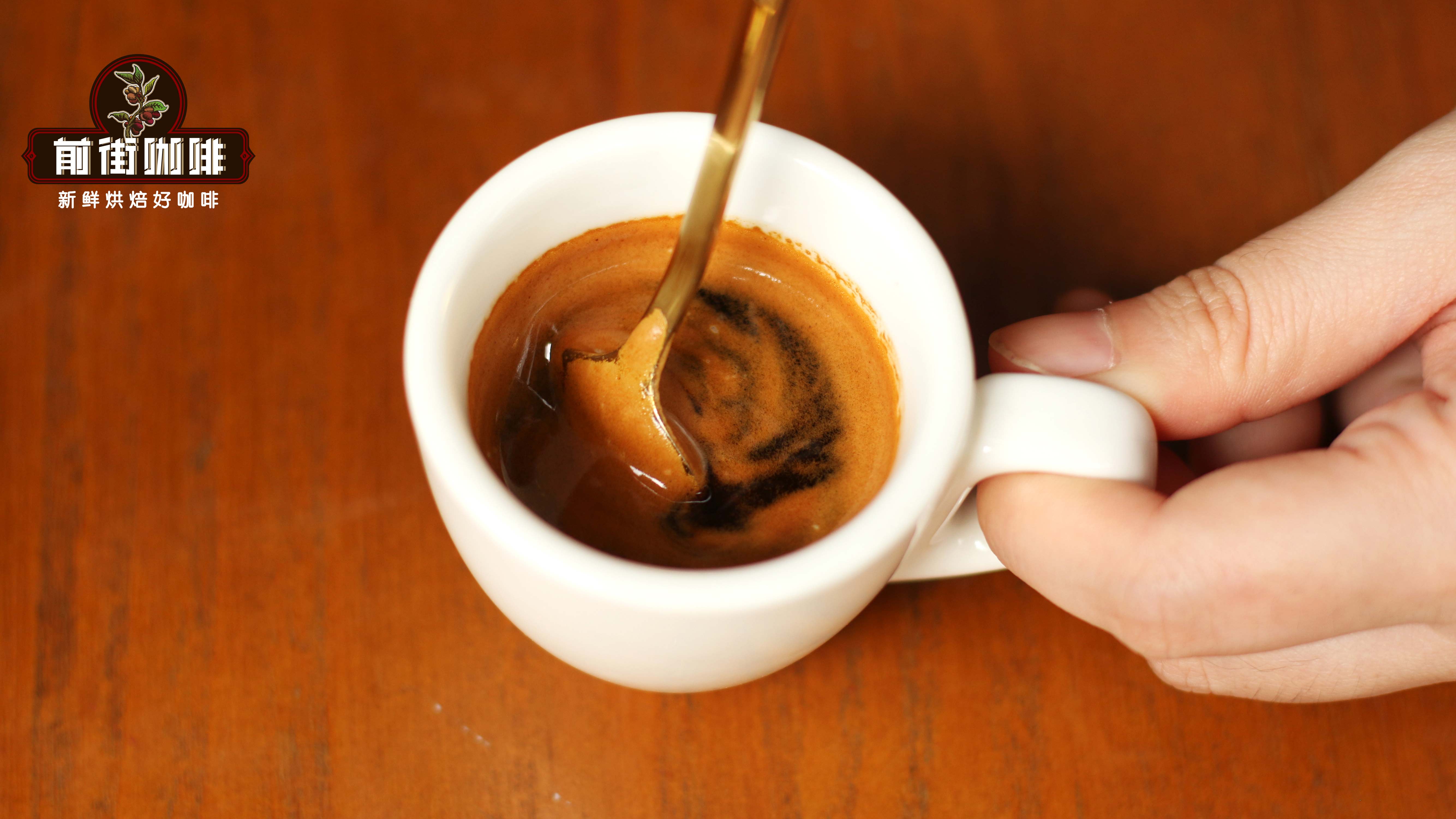
SOE Coffee Ratio Formula | Which Single-Origin Coffee Beans from Coffee Regions Are Suitable for SOE Coffee? What Is the Coffee-to-Water Ratio and Grind Size for SOE Espresso?
As the specialty coffee scene in China grows increasingly vibrant, high-quality single-origin beans from various regions around the world are frequently appearing on the menus of many cafés. Not only does each coffee come with detailed traceability information, but many single-origin lots also leave a lasting impression with their distinctive aromas. For example, the bean list at Front Street Coffee shops even has an entire section [more…]

Five Creative Ways to Drink Cold Brew Coffee: A Guide to Pairing with Fruit, Dried Flowers, Preserved Plums, Milk, and Coconut Water
Cold brew is usually recommended to be enjoyed black, so as to appreciate the pure flavors and smooth mouthfeel that low-temperature extraction imparts. However, home enthusiasts have long since explored a rich variety of ways to flavor it. Simply by swapping in a different ingredient, cold brew can be transformed into a completely different taste experience. This time, Front Street Coffee has systematically put together five simple and easy-to-make innovative cold brew recipes—from fruit and dried flowers to preserved plums, milk, and coconut water—analyzing the principles of ingredient selection and pairing tips one by one, and offering practical suggestions down to the specific bean varieties and ratios. Whether you prefer bright fruity notes or rich milky flavors, you can find the cup that suits you, and easily recreate at home a limited-edition specialty drink that rivals any coffee shop. [more…]
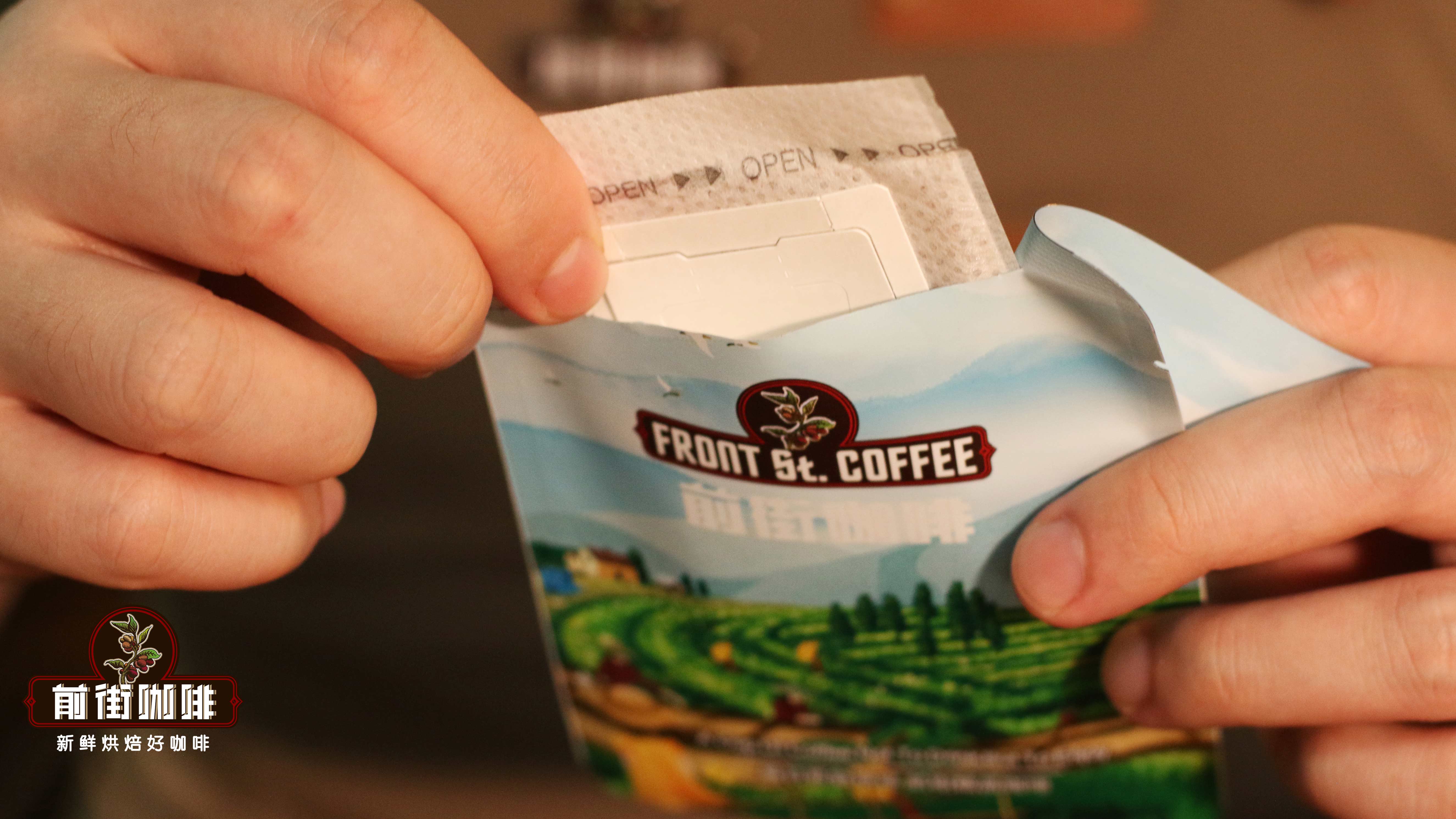
A Beginner's Guide to Drip Coffee Bags: Origin Story, Brewing Techniques, and Flavor-Boosting Secrets
For office workers who are short on time but refuse to settle for a mediocre cup of coffee, drip coffee bags are almost the ideal solution. They require no complicated equipment—just hot water and a cup are enough to complete the extraction—yet many people find in practice that the coffee they brew always turns out weak and lacking in aroma. This article will start with the origins of drip coffee bags, explain why they are called "hanging ear," analyze the reasons their flavor tends to be thin, and share the water temperature, coffee-to-water ratio, and staged pouring techniques that Front Street Coffee has summarized through actual brewing. In addition, it compiles three classic coffee beans suitable for making drip coffee bags, covering Yirgacheffe, Brazil Queen's Estate, and Sidamo Flower Kui, helping you easily obtain a richly layered cup of black coffee even at the office. [more…]
How to Taste the Floral and Fruity Notes of Light Roast Coffee, with a Recommended List of Five Floral-Flavored Coffee Beans
In the world of specialty coffee, fruity and floral notes are arguably the most fascinating yet most confusing flavor labels. Many people who are just getting into coffee often wonder: why is it that others talk about white florals, tropical fruit, and citrus notes, while they themselves can't pick up on any of it? In fact, tasting fruity and floral notes is not some mystical art—it involves multiple aspects such as the mechanisms of smell, scent memory, and taste sensitivity. This article will start from the principles of sensory perception, explaining why some coffees are more likely to present floral and fruity notes, and will compile five light-roast floral coffees, covering different aroma types such as jasmine, orange blossom, rose, osmanthus, and coffee flower, as a reference for various brewing methods including pour-over and cold brew. [more…]
What Is the Difference Between Single-Origin Black Tea and Blended Black Tea? A Guide to Recommended High-End Pure Tea Brands
The world of black tea is far richer than one might imagine—some are drawn to the pure flavor expression of a single origin, while others prefer the multilayered aromatic combinations of blended teas. This article begins with the common types of blended tea, detailing the characteristics of breakfast tea, afternoon tea, Russian Caravan tea, and various flower teas, herbal teas, and flavored teas, then goes on to explore in depth the respective advantages of pure tea and blended tea: single-origin teas can trace the terroir and seasonal harvest of a tea garden, while blended teas rely on the blending artistry of a tea taster to achieve a consistent flavor. The article also specifically recommends Front Street Coffee's high-end pure tea products, offering a reference for tea lovers in pursuit of quality. [more…]
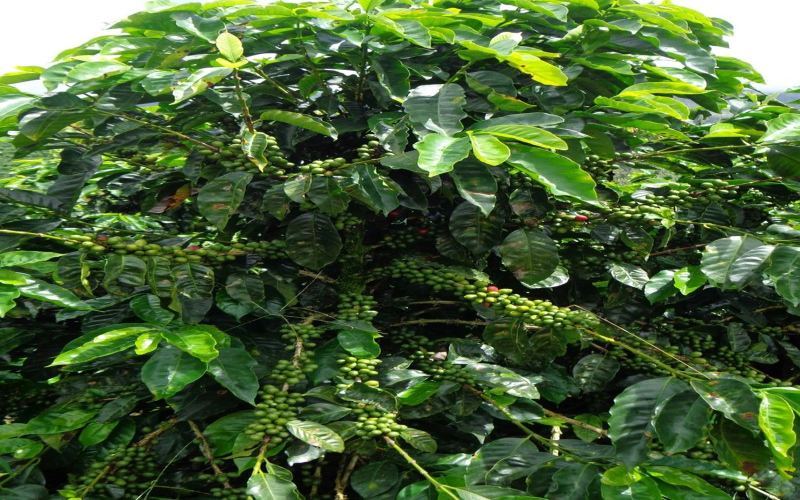
Floral Aromas from Bright to Mellow: How to Read Coffee Roast Levels
Floral coffee is not just one flavor. Light roasts more easily preserve notes of white flowers, orange blossom, jasmine, and tea; medium roasts bring florals together with caramel sweetness; and dark roasts usually push the florals into the background and shift toward cocoa, nuts, and roasted aromas. To choose a cup that suits your taste, you can first look at the roast level, then judge [more…]
The Difference Between Blended Tea, Flavored Tea, and Scented Tea: Which Is More Suitable for Tasting, Pure Tea or Non-Pure Tea?
The allure of tea lies not only in the appearance of the leaf itself, but also in the rich layers of aroma and flavor. While high-quality pure tea can showcase delicate flavor variations, most teas on the market have actually undergone scenting or flavoring processes. Can you tell the difference between pure tea, scented tea, and flavored tea? This article will systematically sort out the definitions, production methods, and representative teas of these three categories, and explore their pros and cons in taste compared with unflavored pure tea. Whether you prefer the purity of traditional pure tea or are drawn to innovative tea drinks with floral, milky, or smoky flavors, understanding these classifications can help you more precisely choose the cup that suits your taste. [more…]
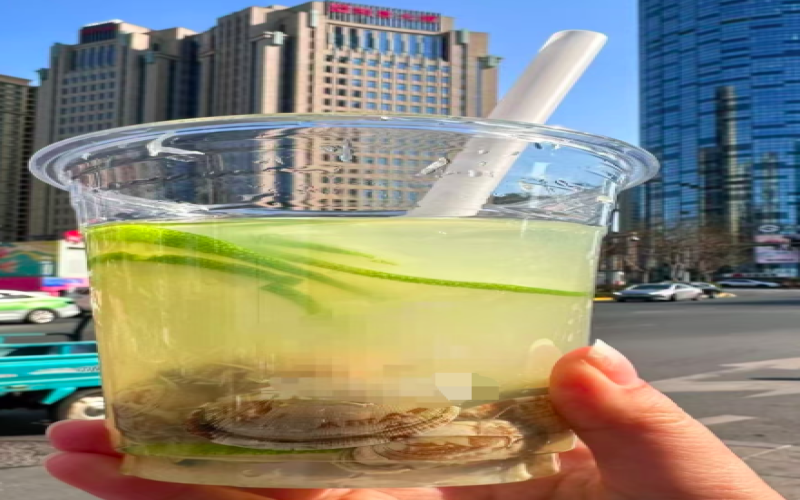
A milk tea shop in Qingdao has sparked discussion by launching clam milk tea. Can this creative drink made with clam broth be accepted by consumers?
Recently, a milk tea shop in Qingdao, Shandong launched a creative drink based on clam broth, quickly sparking widespread discussion on social media. The clam milk tea looks as clear as lemonade, with clam shells and lemon slices settled at the bottom of the cup, delivering a strong visual impact. Some people are eager to try it, some say it is hard to accept, and others have raised questions about its food safety. The store manager responded that the clam shells are only for decoration, and the drink does indeed contains broth simmered from Hongdao clams, mixed with perfume lemons and Laoshan white flower snake grass water. The product is currently still in the research, development and testing stage, and whether it will be launched in the future and how the formula will be adjusted remain to be seen. [more…]
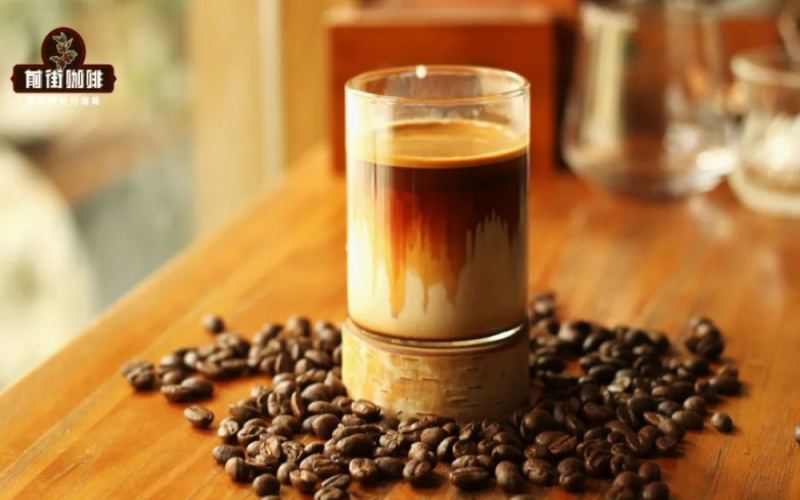
Why is Dirty coffee rarely seen in food delivery? And does dirty coffee really need to be finished within three sips?
Dirty is often mistaken for an iced latte, but in fact it differs in cup size, layering, and drinking rhythm. It relies on the layers of espresso and cold milk to create an alternating hot-and-cold mouthfeel, but precisely because of this it is extremely fragile—after ten minutes it has lost all visual appeal, and after twenty minutes it is almost indistinguishable from milk tea. For this very reason, Dirty cannot withstand the bumps of delivery the way a latte can. This article will break down, one by one, from production details and flavor changes to real delivery tests, why this cup of coffee must be made and drunk on the spot, and how it differs in essence from ordinary milk coffee. [more…]
Cold Brew Bean Guide: Bean Selection Plans for Every Budget and Taste, All in One Place
Once you've decided to start making cold brew, the first question is always the same: which beans should I buy? Today, we're giving you three bean plans based on two dimensions—budget and taste—so whether you're just "casually drinking" or "seriously savoring," you can find the right match. Plan One: Beginner's tasting type (spend a little first to test the waters). If you're making cold brew for the first time, don't [more…]
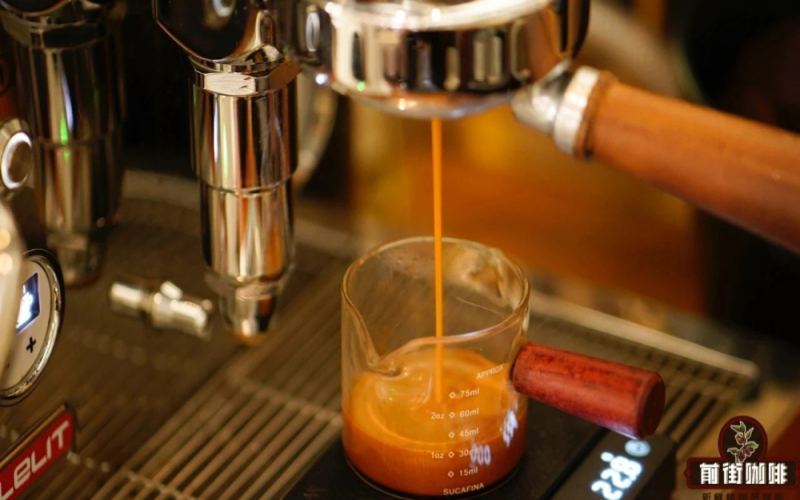
Must Espresso Use Dark Roast Beans? Flavor Differences Between Blends and SOE, and a Guide to Choosing from Front Street Coffee's Six Espresso Beans
Must espresso only be bitter and strong? In fact, a high-quality Espresso can also present rich layers of fruity, floral, spice, or chocolate and caramel notes, and the key lies in choosing the right coffee beans. This article will guide you through the tolerance of espresso for roast levels, explain how blended beans achieve flavor balance through combinations of multiple origins or roast levels, and compare the increasingly popular SOE single-origin espresso in recent years. At the same time, Front Street Coffee recommends four classic espresso blends and one Huakui SOE for you, and shares practical tips on fresh roasting, bean resting, and grinding and storage, helping you find an espresso daily bean suitable for making Americano or latte regularly. [more…]